

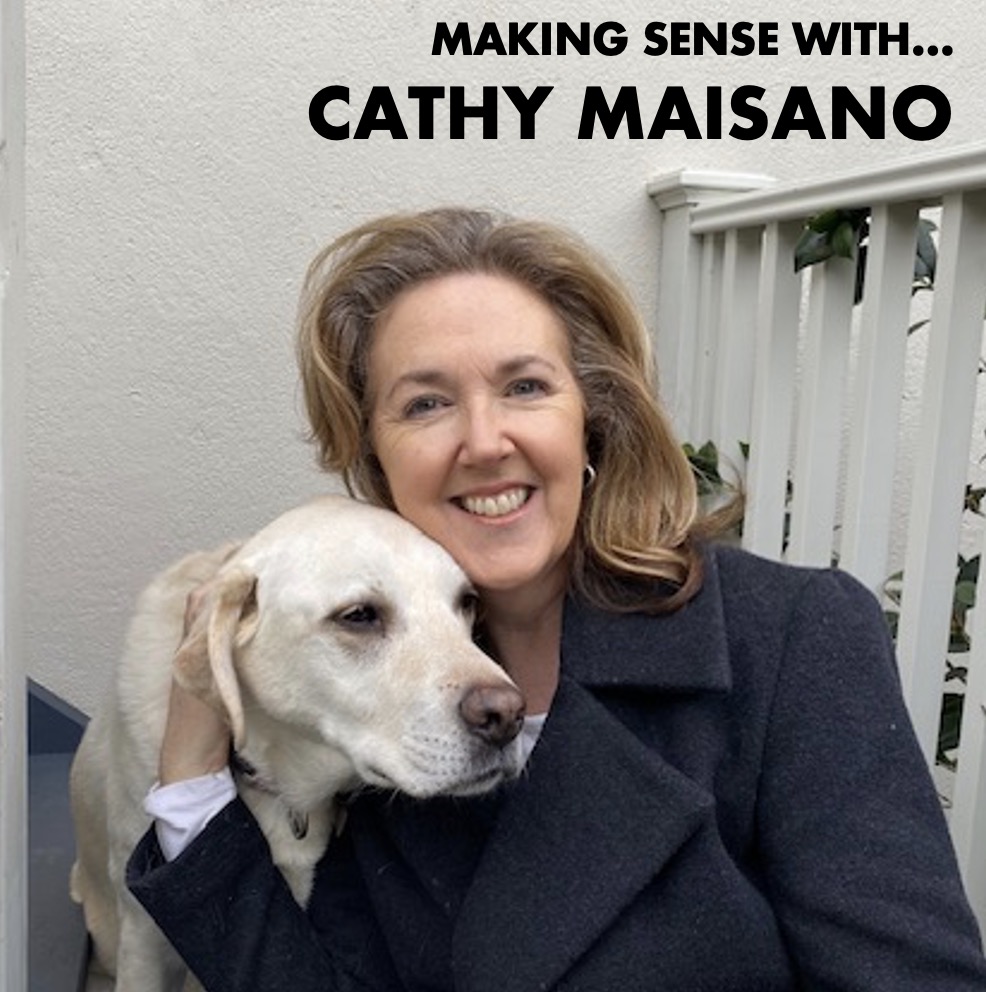
Making Sense
What makes semioticians tick? We asked members of the international community of semiotic practitioners to answer 10 questions. Here's a series overview, organized by region.
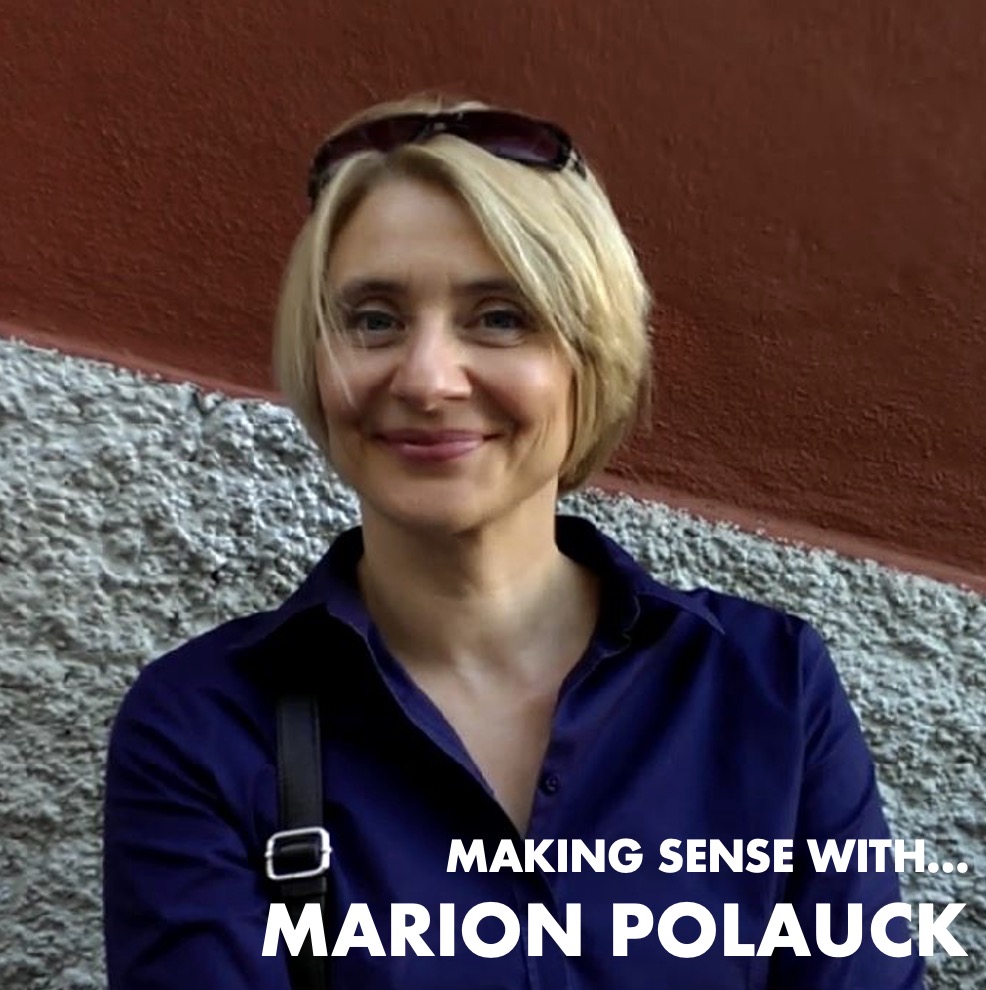
Making Sense
"Like any great work (in any field), semiotic insight needs to move us emotionally."

Making Sense
"Nothing gives me more cultural satisfaction than a well-crafted Semiotic Square that works."
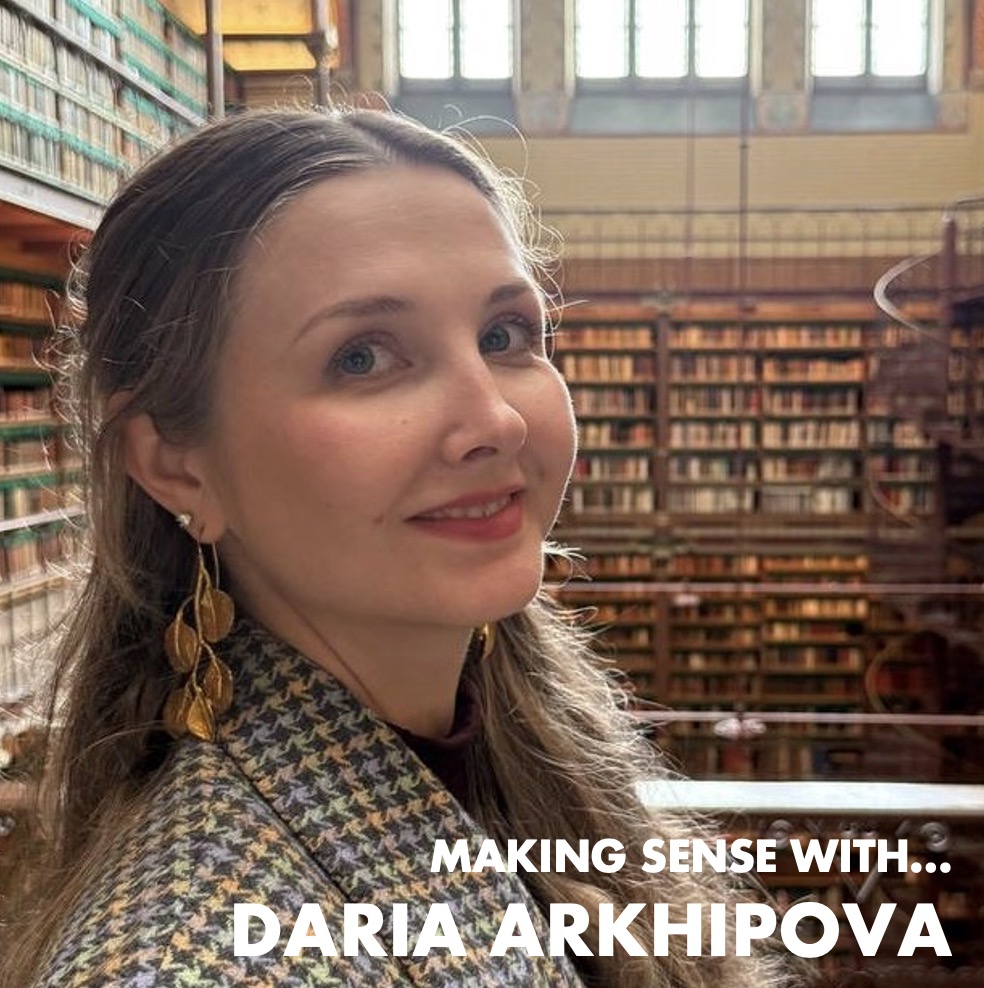
Making Sense
"Our bodies are part of our research tools — experience matters. It’s not just about hours in the office; it’s about the life you live."

Making Sense
"What a semiotician offers is an authentic reading of their culture that only they can provide."

Making Sense
"It’s about attention to detail, and spotting what fits a pattern, and what doesn’t."
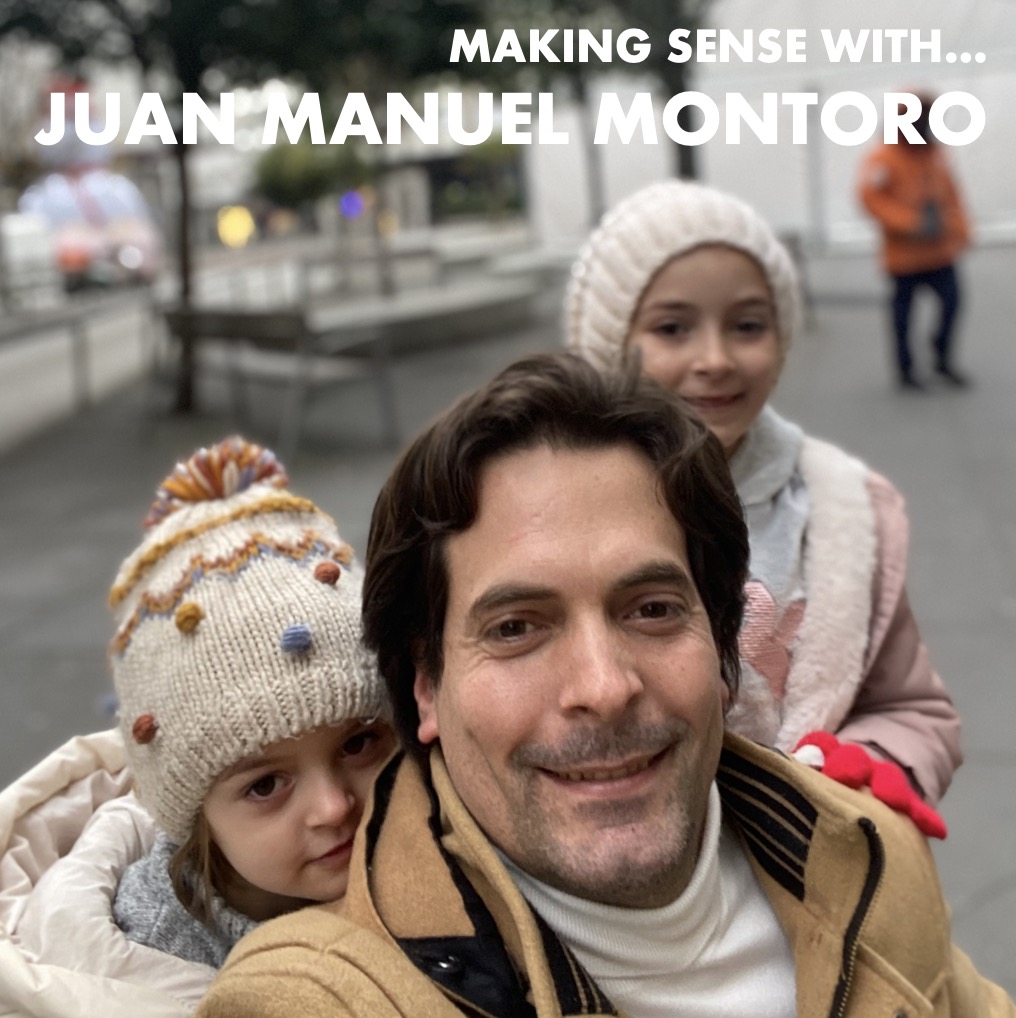
Making Sense
"Semiotics can be applied to creative development, artistic production, or policy design — not just to uncover meaning, but to shape it."
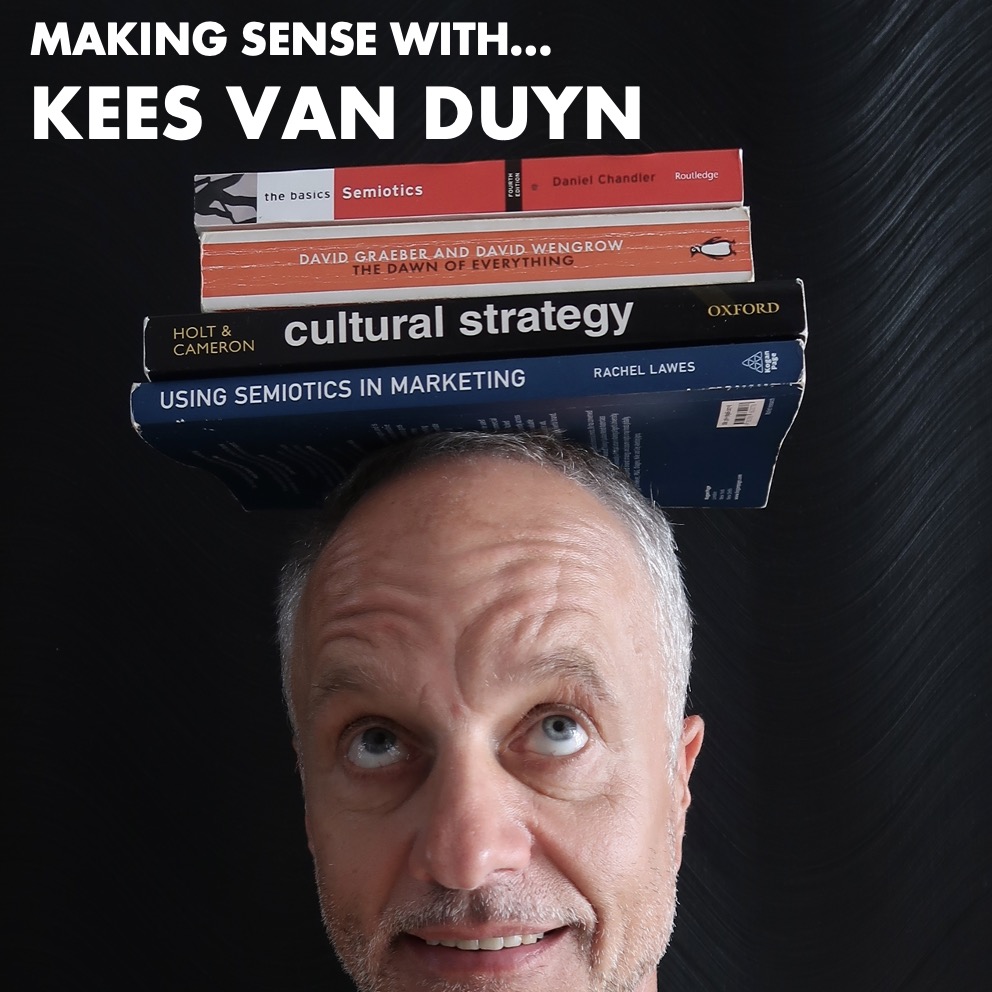
Making Sense
"Understanding people means understanding the context in which we operate, and the cultural webs of meanings we’re caught up in."

Making Sense
"I don’t think it’s hyperbolic to say that semiotics will be the last saving grace of humanity."

Making Sense
"At the start of a semiotics project, you do not know the answer. You also do not know exactly how you will get that answer. You need to be comfortable with that kind of uncertainty."
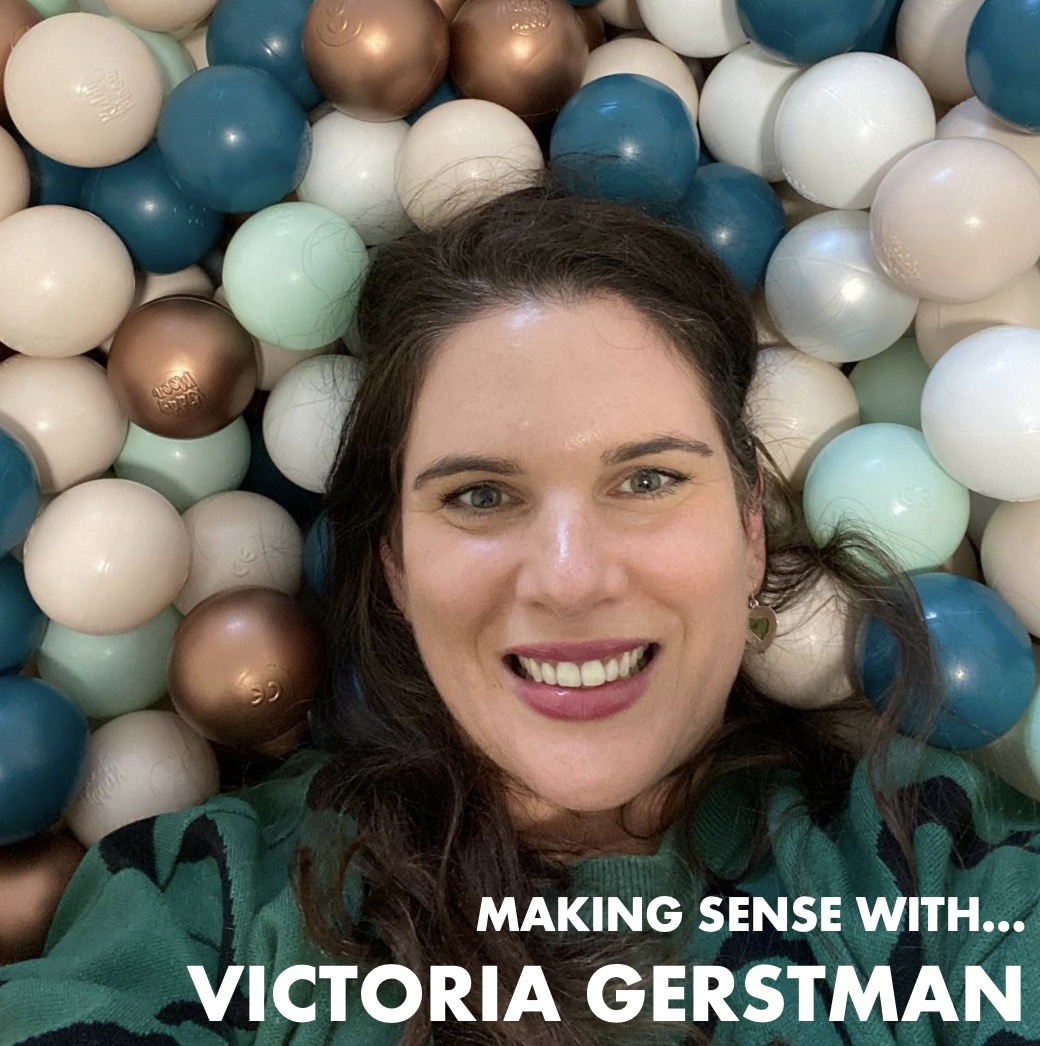
Making Sense
"There’s a whole untapped evidence base out there in the form of culture itself."

Making Sense
"Even with AI to hand, clients crave a strategic, human-centric approach — where analysis meets creativity to deliver razor-sharp, real-world solutions."

Making Sense
"Semiotics is inherently about acknowledging and holding a plurality of interpretations."

Making Sense
"Semiotics helps clients anticipate cultural shifts and uncover new opportunities, even in unpredictable times."