Making Sense
"Learn to enjoy a liminal, confused state…"


Deep dives with interesting people.
"Learn to enjoy a liminal, confused state…"

"Only if the premises are good can you arrive at an interesting analytical insight."

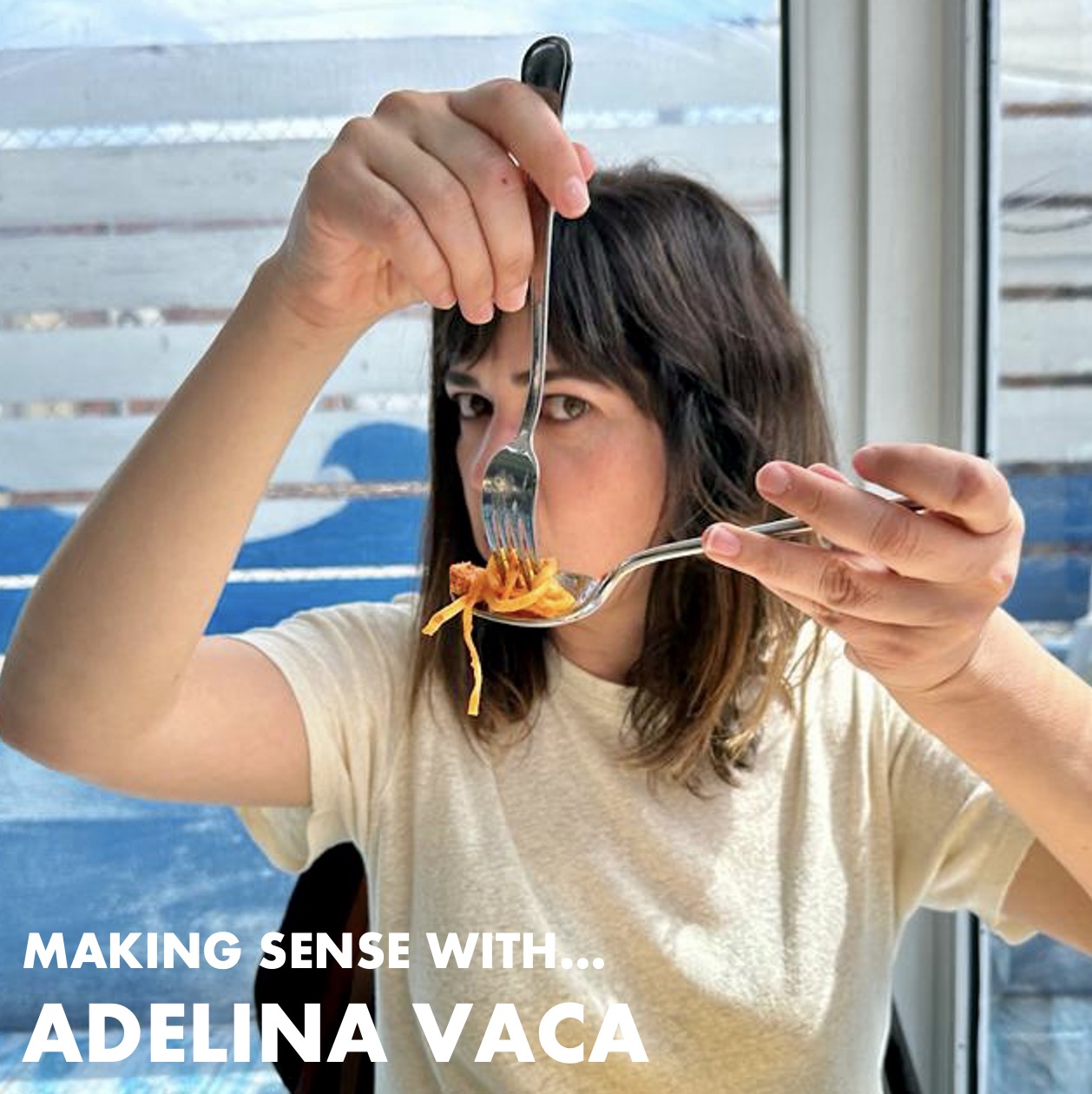
"Why is it only design and advertising programs that offer courses in applied semiotics? I really wish that business schools would offer them too."
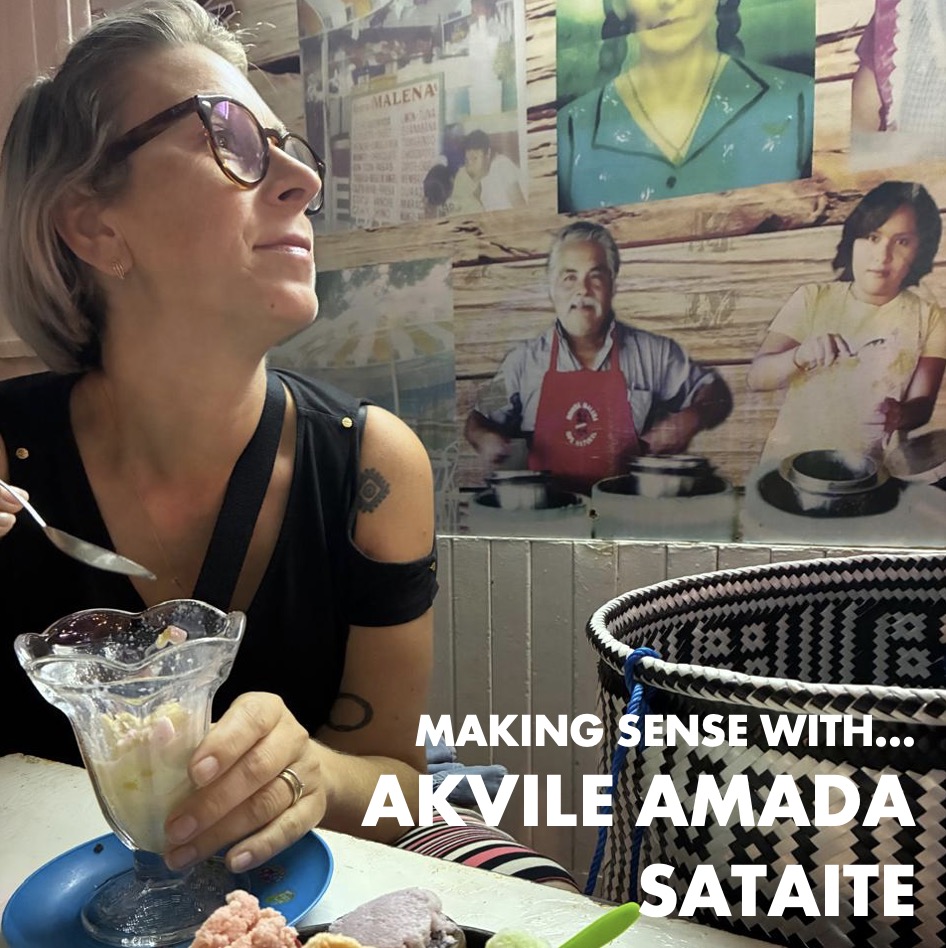
"Semiotic analysis requires theoretical knowledge, cultural sensitivity, and critical thinking. When AI is used without those foundations, the result can be superficial, inconsistent, or simply wrong."

"Attention to detail is essential since most of what we discover about the culture is hidden in unlikely places."

"The more we can demystify cultural analysis and semiotics, the more acceptance and work will come our way!"
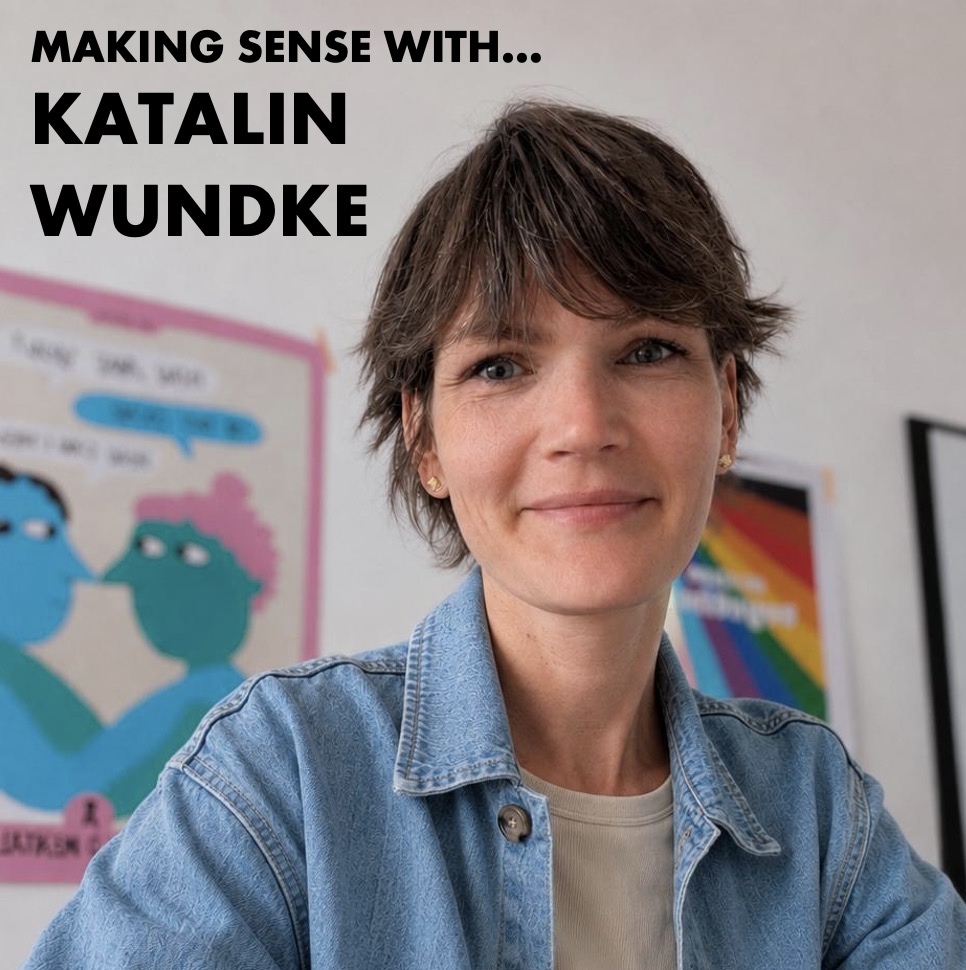
"The most essential attribute for a semiotician is an awareness of how meaning is constructed."
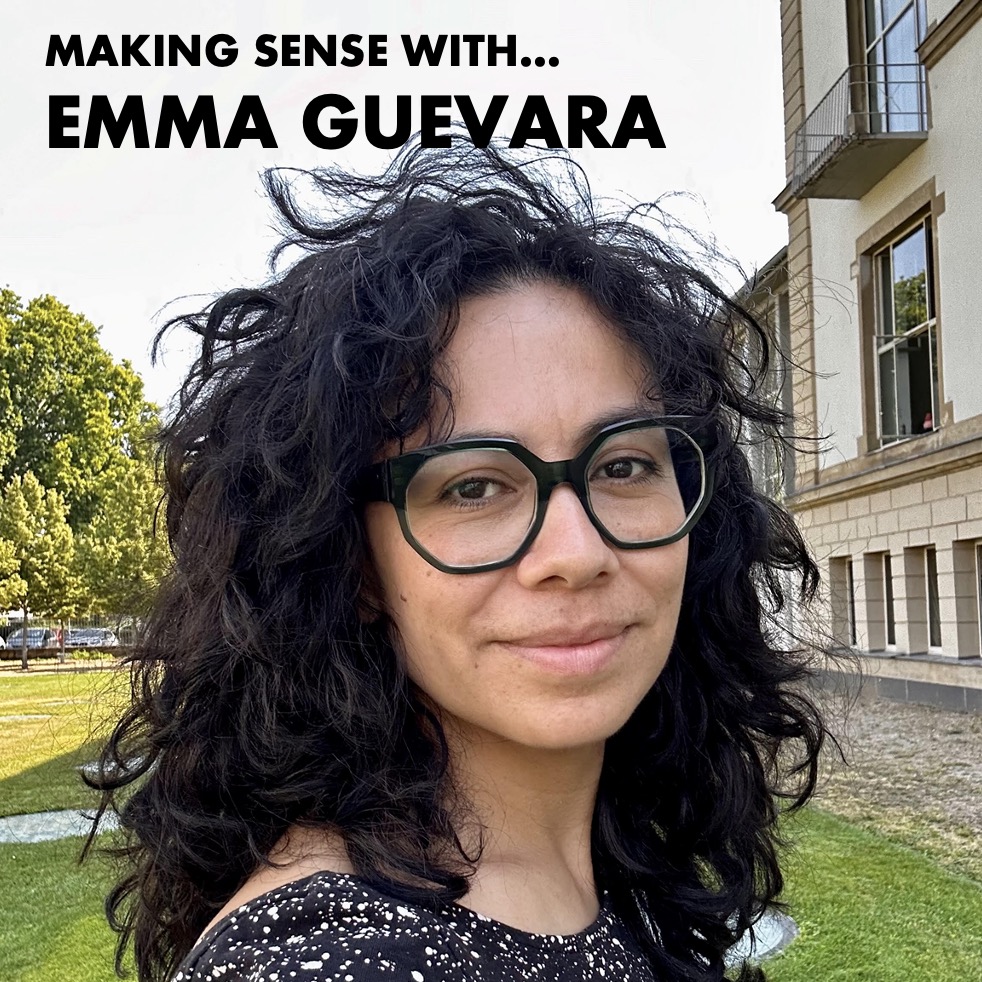
"It is gold when a client suddenly realizes that the cultural codes and dynamics playing out in an entirely different industry hold key answers to their own questions."
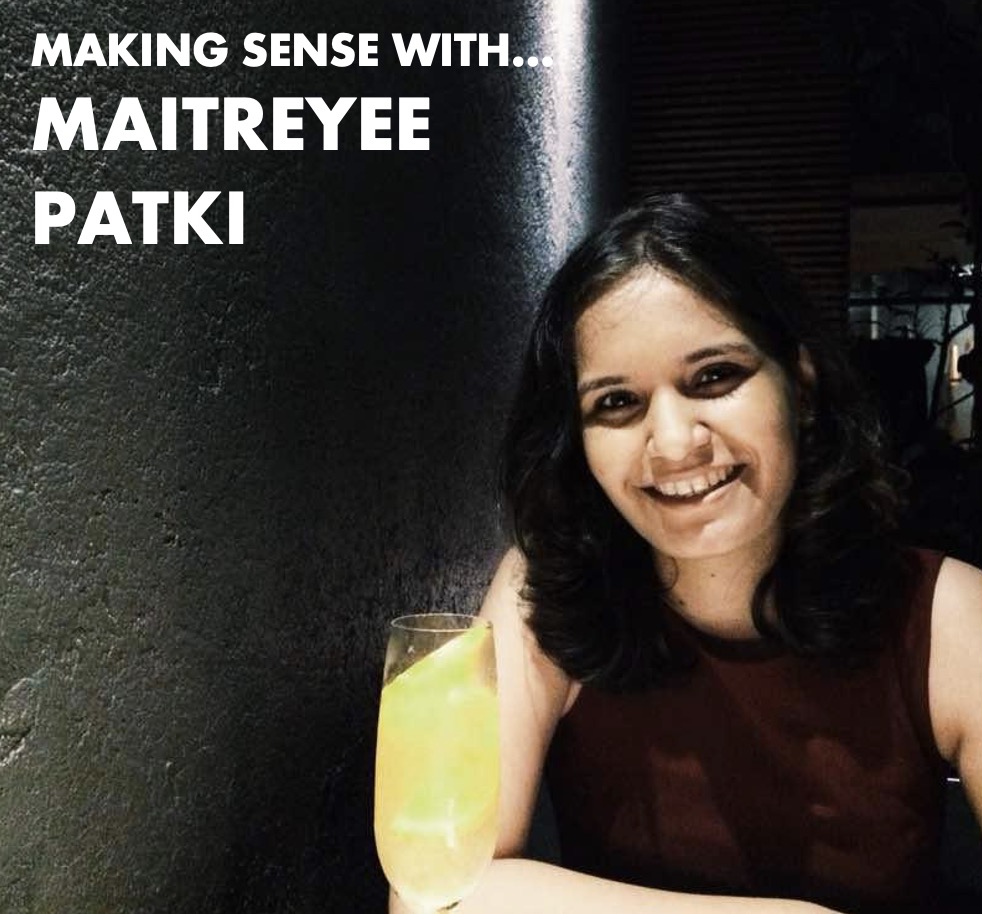
"Many client questions are not only about behaviour or preference, but about meaning."

"The most satisfying projects are those where meaning is operating everywhere at once."

"When we interrogate social taboos, we can steer towards significant transformation."

"Applied semiotics allows you to read any object as a novel!"
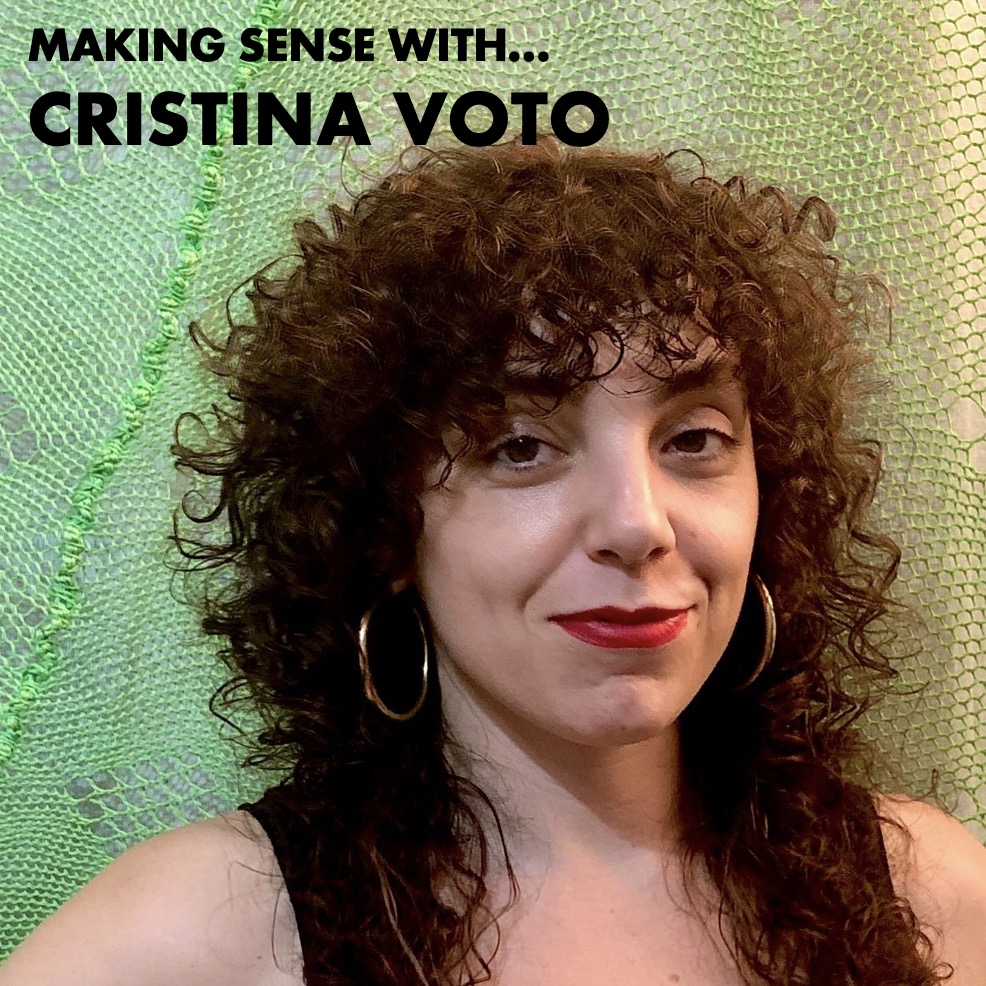
"A label, a framing choice, a repeated gesture, a category, a visual convention, a protocol: these are often the places where larger systems become visible."

"What does semiotics bring to the party?" is the key question.
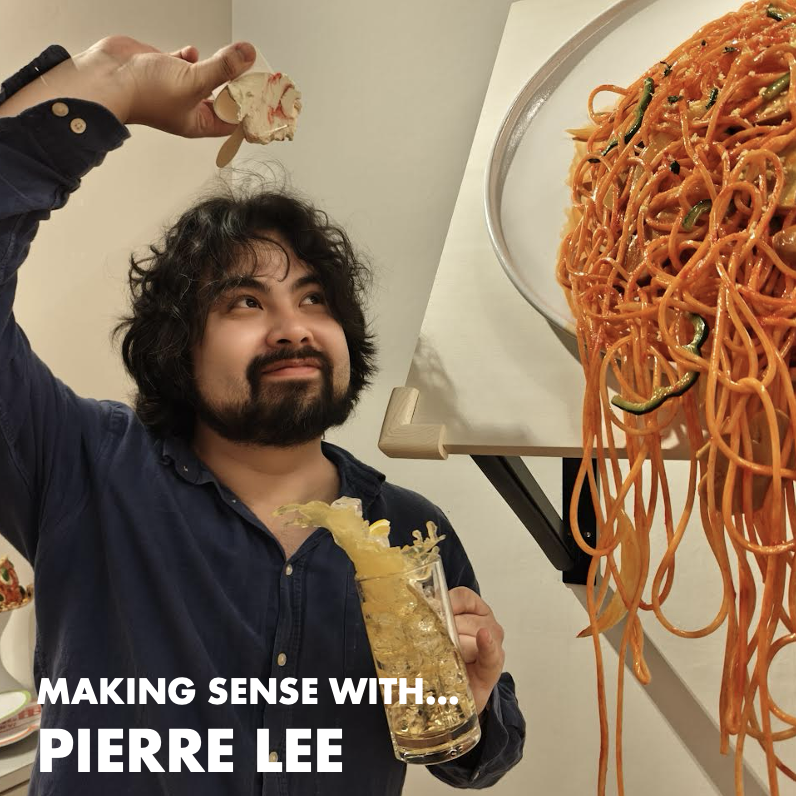
"Make abstract ideas and observations clear, without losing the rigour or wonder of whatever ideas you had in the first place. "